Build Your Butterfly Pea RFQ & Get a Quote
Tell us what you need. As an independent sourcing desk we reply on WhatsApp with options and indicative pricing, then route your RFQ to a vetted Indonesian grower or tea maker. Whole flower, petals, powder, or private-label tea.
Pricing by quote, no obligation. Independent desk — we route RFQs to vetted partners (referral disclosure). Trade information, not advice.
What We Source
Indonesian butterfly pea (Clitoria ternatea) in the forms buyers actually order — dried whole flowers, petals, powder and finished private-label tea — described by real grade, moisture and packing, never by hype.
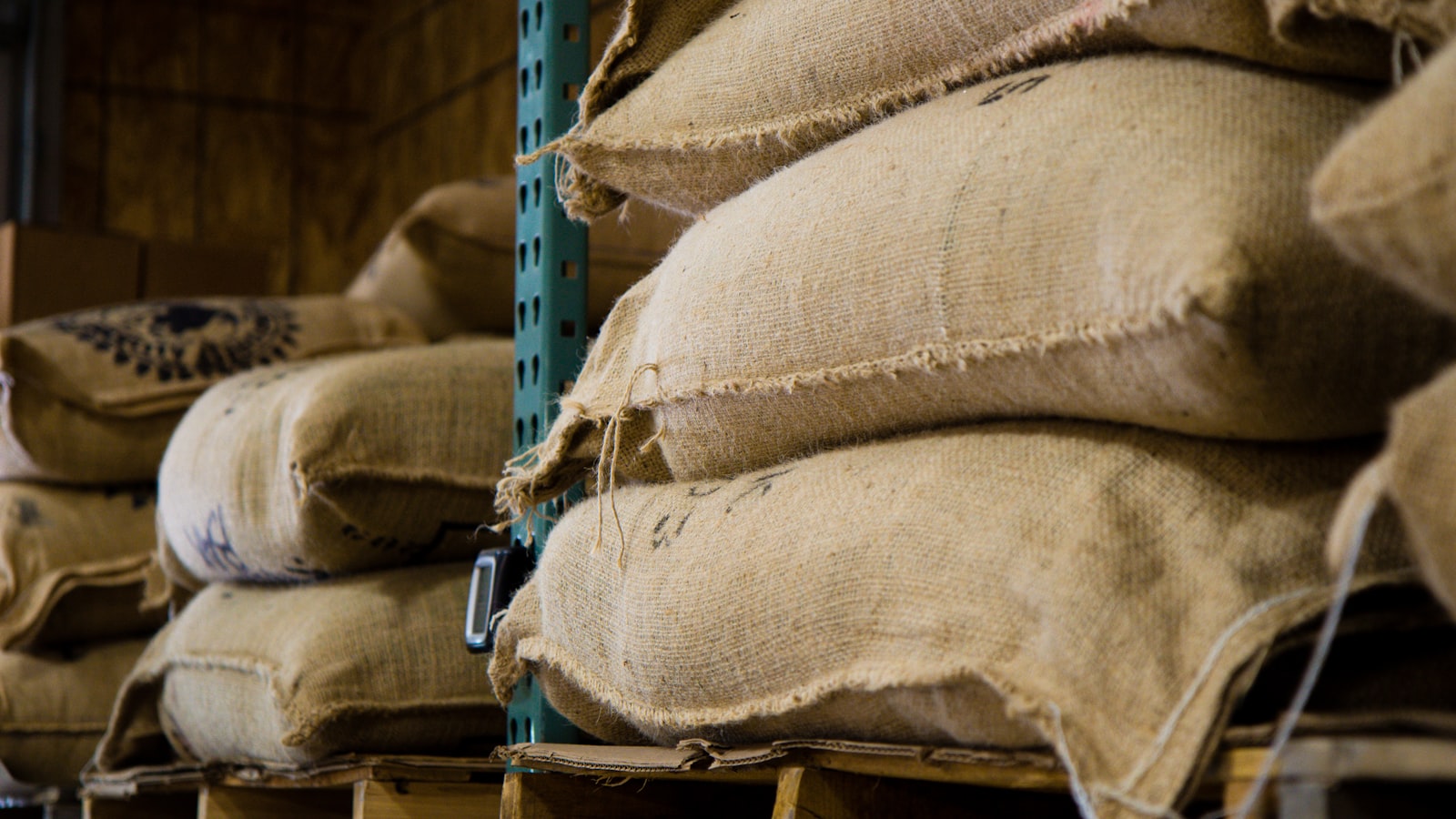
Wholesale Dried Flower
Explore wholesale →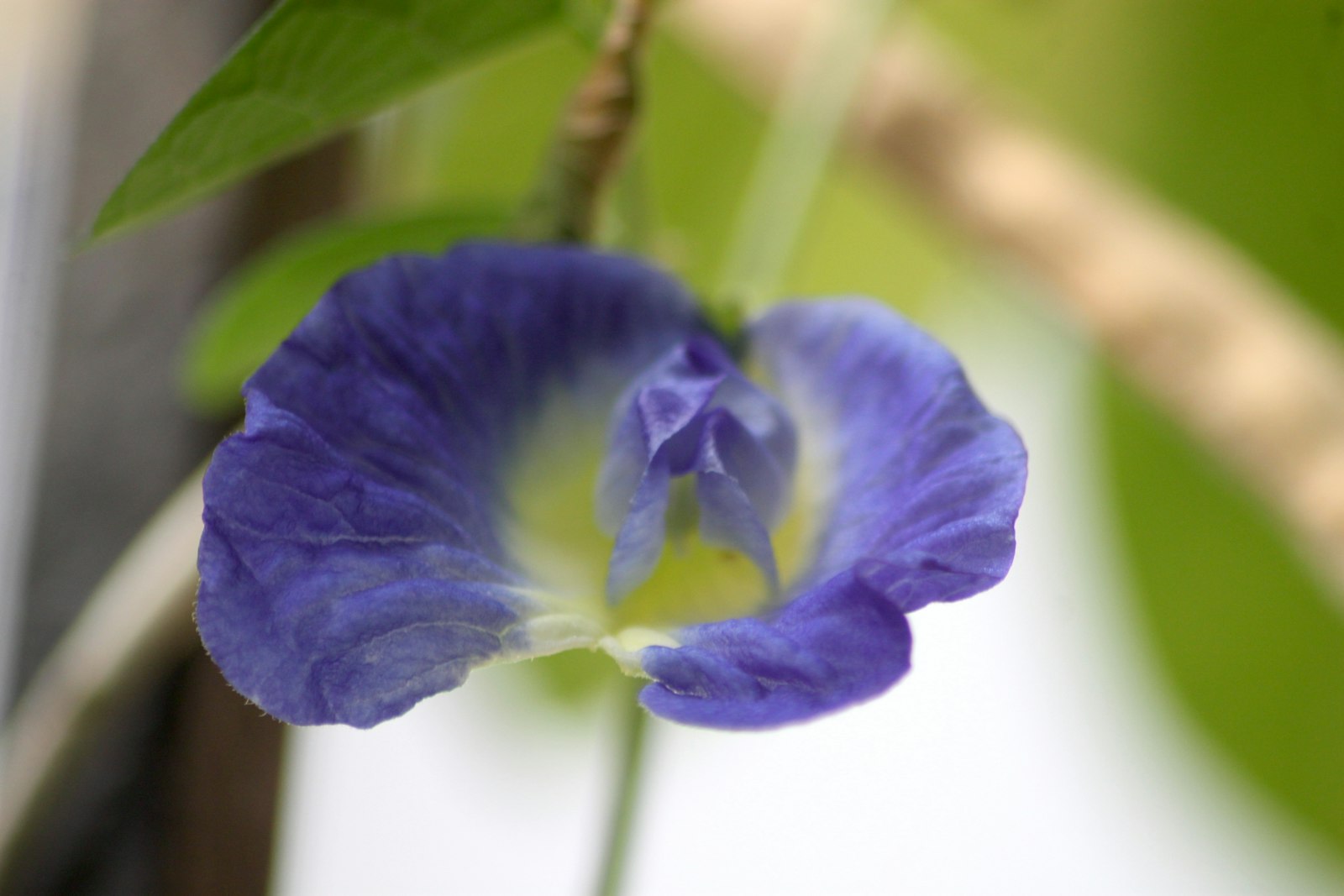
Butterfly Pea Powder
See powder →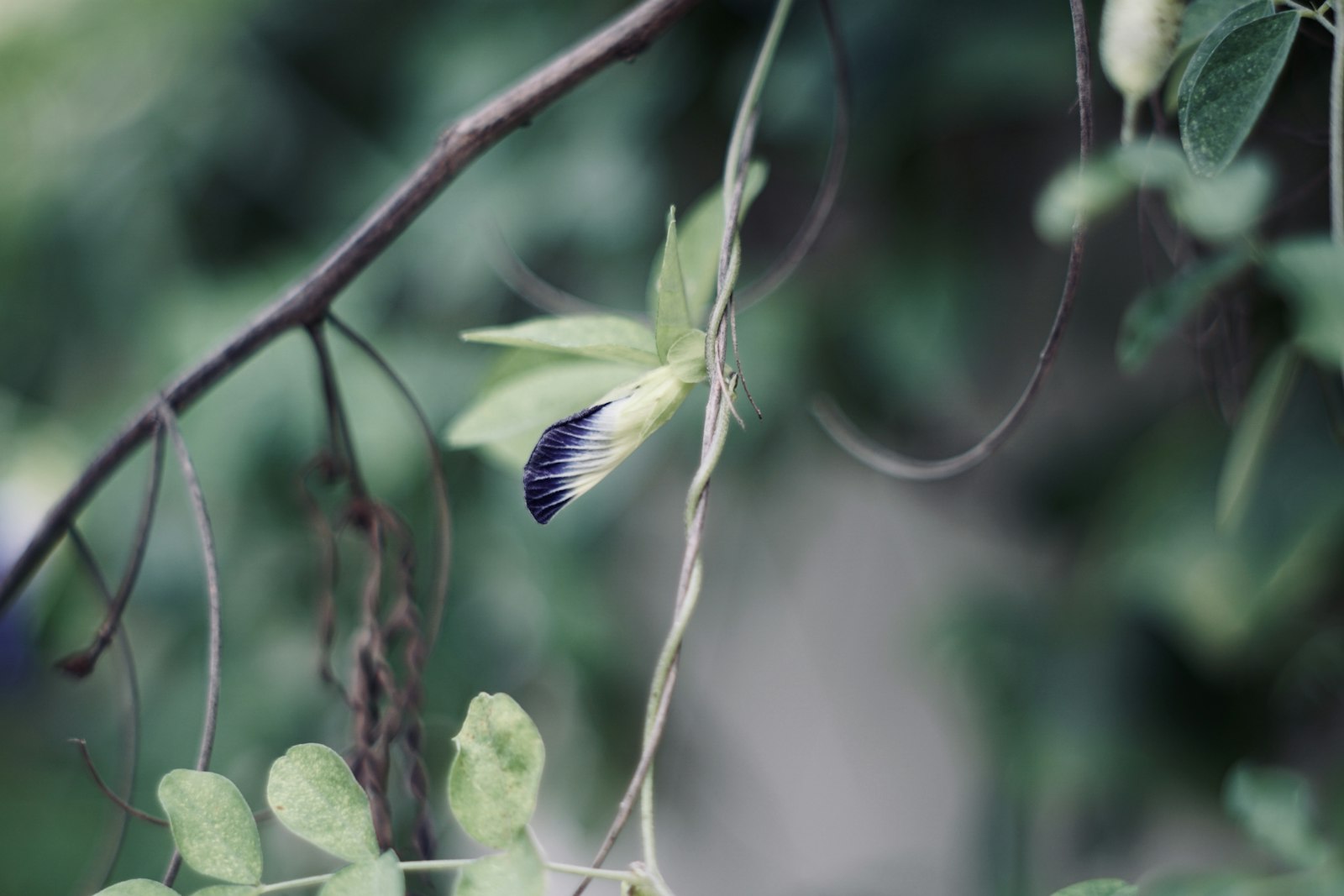
Private Label / OEM
Build a line →
Grades & Quality
Understand grades →Sourcing With Confidence
The trade facts decoded — shipping, certification, indicative pricing and samples — so you can buy across borders without surprises. Figures are indicative ranges, confirmed per order by quote; dried flower is light and bulky, so freight is priced by volume in FCL or LCL.
Export & Freight
How shipping works →
Certification
Compliance basics →
FOB Price Guide
See price ranges →
Sample Orders
Request samples →Why Butterfly Pea Tea Wholesale
Independent Sourcing
We are an independent wholesale & export sourcing desk — not a single grower or exporter-of-record. We curate verified growers and tea makers and route your RFQ to a vetted partner.
Vetted Growers
We connect you to verified Indonesian farms and tea makers, matched to your grade, volume and certification needs — honest about what each can and cannot supply.
Honest Pricing
FOB per kg varies by grade, moisture, packing and volume. We give indicative ranges up front and confirm every figure by quote — no inflated “list” prices.
Export-Smart Logistics
Dried flower is light and bulky. We help plan packing, FCL/LCL freight, lead times and documentation, and flag compliance to verify with your customs broker.
How an RFQ Works
From your spec to a vetted supplier — three clear steps.
Tell us your spec
Product (dried whole flower, petals, powder or private-label tea), volume band in kg, grade and destination market.
Curated grower shortlist
We come back with a curated shortlist of vetted growers, indicative FOB per kg, realistic MOQ and lead times — plus compliance points to verify.
We arrange via a vetted partner
You choose; we route the order to a vetted partner who supplies and ships. We coordinate and disclose our referral role; they fulfil.
Butterfly pea tea wholesale means buying dried Clitoria ternatea flowers — the deep-blue legume vine cultivated across Southeast Asia and known in Indonesia as bunga telang — at B2B volume for tea, beverage colorant, private-label, or ingredient use. This desk is an independent Indonesia sourcing and trade-information resource: we curate verified makers, publish candid trade data, and route qualified RFQs to a vetted export partner who quotes, contracts, and ships. We are not a plantation, manufacturer, exporter-of-record, or freight forwarder.
What to Expect on Price, MOQ and Grade
Our team works with butterfly pea flower growers and tea makers across Java and Bali, and we recommend buyers budget against real, supplier-reported ranges rather than headline figures. As a guide, standard whole dried flowers quote around USD $6–$12 per kg FOB, while premium or organic-certified lots and Thai-grade material run roughly USD $12–$20 per kg [VERIFY with the supplier]. Minimum order quantities usually start near 20–50 kg for sample-wholesale and rise to 100–500 kg+ for full B2B and private-label runs; a 20ft container holds several tonnes because dried flower is light and bulky. Grade is driven by colour intensity and moisture (premium lots are typically kept at or below ~10% moisture), and every binding price, grade spec and lead time comes only from a maker’s pro-forma invoice against your exact requirement. Importers to the EU should note butterfly pea flower is treated as a non-authorised novel food there — confirm market access with your customs broker before ordering. When you are ready, we route your RFQ to a vetted partner on WhatsApp +62 811 3941 4563; our help is free and they may pay us a referral fee at no extra cost to you.
Disclosure: Everything published here is trade information, not legal, customs, regulatory, or medical advice. Where we facilitate an introduction and you proceed with a vetted partner, that partner may pay us a referral fee at no extra cost to you; our editorial guidance is not bent by it. Buyers must verify all regulatory and compliance requirements independently with a licensed broker and the relevant authorities before importing.
EU Buyers: Read This Before You Order
Clitoria ternatea as a food ingredient (including herbal tea) is currently NOT authorized in the European Union. EFSA raised formal safety objections (EFSA EN-7084) and the European Commission terminated the authorization procedure (C(2026)776). Active enforcement is documented through RASFF notifications — Austria 2025.0444 and a Belgium 2024 action against Cambodian-origin flowers — and Belgium has reportedly recalled butterfly pea teas from the market. Marketing it as an EU food or tea is currently illegal and high-risk. Supplement rules vary by member state and remain uncertain. EU buyers must verify the current regulatory status with a licensed food-law adviser before placing any order. This desk will not route an RFQ toward an EU food-market order until the buyer has confirmed compliance. This warning applies regardless of origin — Indonesian, Thai, or Vietnamese flower faces the same wall.
What This Desk Is — and What It Is Not
The butterfly pea SERP is saturated. You will find single-product sales pages with invented price tables, health claims that would alarm any regulatory attorney, and origin descriptions that read like Wikipedia excerpts rewritten by a marketing intern. Genuine Indonesia-origin English authority is, in practice, vacant.
We fill that gap differently. As an independent blue pea flower wholesale supplier reference desk — not a seller ourselves — we give buyers something most commercial pages cannot: FOB ranges from reasoned analysis of sparse public listings and analogous dried-herb trade data, always presented as by-quote estimates, never as firm prices. Grading language is defined but candidly flagged: no formal ISO or Codex standard exists for butterfly pea, so every grade description is an industry-norm convention, not a legal specification. Named exporters appear only after verification; we mark anything unconfirmed with [VERIFY] and decline to publish unverified maker names.
Our vetted export partner handles the actual RFQ, negotiation, sample dispatch, and shipment. We handle the information layer — so that by the time you reach them, you already know what grade to ask for, what FOB range to expect, and which COA fields to scrutinize.
The Four Buyer Paths
Most butterfly pea buyers fall into one of four procurement tracks. Each has its own volume threshold, document requirements, and lead-time logic.
1. Bulk Dried Flower — Loose or Carton
Whole dried flowers in food-grade PE/PP inner bags, typically 1–5 kg each, packed into outer cartons of roughly 10–20 kg net. This is the standard form for bulk butterfly pea flower export from Indonesia: tea brands, café operators, and ingredient blenders are the typical buyers. Indicative MOQ for small wholesale runs around 20–50 kg; serious FOB orders typically start at 100–500 kg or more. These figures are indicative — a live quote will confirm the actual tier for your grade and destination. See our Bulk Dried Flower & MOQ guide for the full breakdown.
2. Powder and Extract
Ground dried flower (powder, mesh/sieve size matters for color yield) and water-soluble spray-dried extract for beverage colorant and ingredient applications. In the United States, butterfly pea flower water extract is approved as a color additive exempt from certification under 21 CFR 73.69, with approved food categories expanded over time — buyers should confirm the current category scope in the CFR directly, as the exact list has evolved. Powder is the workhorse for blue lattes, confectionery, and nutraceutical capsules. See our Powder & Extract Wholesale page.
3. Private Label and OEM
Contract formats include whole loose flowers in bulk sacks, retail pouches and tins, pyramid tea bags (nylon, PLA, or biodegradable), flat filter sachets, and branded blends — butterfly pea with lemongrass or lemon is a standard color-change tea SKU. MOQs per retail SKU run in the hundreds to thousands of units, or roughly 50–100 kg of bulk ingredient [VERIFY; indicative only]. Buyers pursuing private-label should request a Certificate of Analysis, microbiology report, multi-residue pesticide statement, allergen and GMO declarations, and HACCP or ISO 22000 evidence from any prospective manufacturer. Details on our Private Label & OEM page.
4. Export and Freight Planning
Dried butterfly pea flowers are light and bulky cargo — bulk density is inferred at approximately 100–150 kg/m³ from analogous chamomile and hibiscus data [VERIFY; no butterfly-pea-specific figure found]. Shipments cube out long before they approach container weight limits. An estimated 20-foot container holds roughly 3–5 MT of dried flower; a 40-foot holds roughly 6–10 MT [VERIFY; not directly sourced] — well below the 20–28 MT payload ceiling. Indonesia’s primary export ports are Tanjung Priok (Jakarta), Tanjung Perak (Surabaya), and Tanjung Emas (Semarang). Incoterms, phytosanitary certificates, US FDA Prior Notice, and FSMA/FSVP requirements all apply. See Export & Freight for the full picture.
Indonesia as a Sourcing Origin for Butterfly Pea Flower Wholesale
Thailand is the dominant global exporter — deeper cultivation infrastructure, strong government herbal-product promotion, and higher brand recognition among Western buyers. For buyers actively sourcing butterfly pea flower wholesale Indonesia, the honest picture is that Indonesia is a significant but secondary origin. Pricing typically overlaps Vietnam and sits below top-tier Thai positioning; international buyers sometimes treat Indonesian-origin flower as generic Southeast Asian rather than a premium provenance.
That framing is partly a marketing gap rather than a quality ceiling. Indonesia’s growing conditions — pantropical climate, altitude range 0–1,600 m, mean annual temperatures of 19–28°C, and good rainfall access — are agronomically sound for Clitoria ternatea. The color intensity a buyer actually receives depends far more on drying protocol than on country of origin. Flowers dried at 50–60°C for 8–10 hours (the documented Thai Department of Agriculture standard for export drying, a single-source official figure) retain ternatin anthocyanins better than flowers sun-dried without temperature control. A supplier who can demonstrate low-temp controlled drying and provide an anthocyanin color-strength reading (absorbance at roughly 560–620 nm) is worth more than a premium-origin label alone.
We do not fabricate Indonesian exporter names. Named exporters surfaced in research are single-source, unverified, and marked [VERIFY] in our origin comparison guide. The Indonesia vs Thailand Sourcing page gives an honest comparison across recognition, price bracket, and sourcing friction.
Ready to start an RFQ? Tell us your product form, target volume, destination port, and certification requirements. We route qualified inquiries to our vetted partner for a sample, COA, and live quote. Reach us via our enquiry form or WhatsApp +62 811-3982-1456.
Indicative FOB Price Ranges — What to Expect
There is no published price board for butterfly pea flower. Real B2B prices are negotiated privately and vary by season, grade, certification, and volume. The ranges below are reasoned from sparse public listings and analogous dried-herb pricing; treat them as planning brackets, not firm quotes.
| Form & Grade | Indicative FOB Range (USD/kg) | Notes |
|---|---|---|
| Standard whole flower, food-grade, non-organic — Indonesia/Vietnam | ~USD 6–12 | Bulk B2B, price varies sharply by volume and season |
| Premium/organic whole flower — Thailand-positioned | ~USD 10–20 | Thai top end can reach 12–20; organic premium is real but by-quote |
| Broken petals, blend grade, or fine-cut | ~USD 6–10 | Lower per-kg; suitable for extract feedstock, not premium tea display |
| Powder (ground flower, spray-dried extract) | By quote | Single-source listings seen are unreliable [VERIFY]; request live quote |
Any Alibaba listing below USD 5/kg should be treated with skepticism until a sample and COA confirm grade. Retail-bulk pricing from US herbal distributors (often USD 60–80+/kg) is not export FOB — do not use it as a reference point. Request a live quote via our enquiry form for any real purchasing decision. Full context on the FOB Price Guide page.
Grades and Quality — the Short Version
No ISO or Codex grading standard exists for butterfly pea. What the trade calls “Grade A” or “Premium” is a convention, not a regulated designation. The practical hierarchy runs:
- Whole flower, premium tea grade
- Often specified at ≥90% intact flowers. Deep, uniform blue color with no browning. Minimal foreign matter (stems, leaves, dust, insects). Signals good ternatin content and controlled drying. Moisture ≤10% (defensible from general dried-herb/Codex practice; no butterfly-pea-specific published standard was found — this figure is an industry norm, not species law).
- Broken petals / fines
- Mechanically or handling-damaged flowers. Lower per-kg price. Acceptable feedstock for extract or blends where visual flower presentation is irrelevant. Color yield per-gram may be comparable to whole, but buyers should confirm via COA.
- Powder
- Ground flower or petals, mesh/sieve grade determines color yield per gram. Used for latte bases, confectionery colorant, nutraceutical capsules. Moisture control is critical — high water activity in powder creates caking and microbial risk.
The pigments responsible for butterfly pea’s color and the dramatic pH color-change (blue to purple or pink with acid) are ternatins — polyacylated delphinidin-3,3′,5′-triglucosides, a class of anthocyanins. This is verified biochemistry, not marketing language. Ternatins degrade under high heat, oxygen, and light, which is why drying protocol is central to any quality conversation. A supplier unable to state their drying temperature range is a supplier to sample cautiously. Full grading rubric on the Grades & Quality page.
Clitoria ternatea Wholesale: the COA Fields That Matter
Do not accept a COA that lists only moisture and appearance. A purchase you can defend to your QA team should include:
- Moisture content and water activity (target ≤10% and ≤0.6 Aw for premium)
- Microbiology panel: total plate count, yeast and mold, Salmonella absent/25 g, E. coli absent/25 g
- Multi-residue pesticide (LC/GC-MS/MS) against destination MRLs
- Heavy metals by ICP-MS: lead, cadmium, arsenic, mercury
- Anthocyanin color strength (absorbance at ~560–620 nm)
- pH color-response confirmation (blue → purple/pink with acid drop)
- Botanical ID — HPTLC or LC-MS anthocyanin fingerprint for high-value orders
- Traceability to farm, harvest date, and batch number
Supplier certifications (GMP, HACCP, ISO 22000, USDA NOP organic) must be verified at source — competitor or seller self-reporting is not verification.
US Regulatory Status — a Cleaner Picture
Compared to the EU, the US regulatory position is more permissive. The FDA approved butterfly pea flower water extract as a color additive exempt from certification under 21 CFR 73.69 in 2021, with approved food-use categories expanded over time — buyers should confirm the current category list in the CFR directly [FLAG: the exact current categories were not directly verified from the CFR text]. The dried flower itself, sold as a herbal tisane, is treated as a conventional food in the US with no specific FDA enforcement noted against it; it relies on safety and history-of-use grounds rather than a formal approval. Standard US import requirements still apply: FDA Prior Notice under the Bioterrorism Act, FSMA/FSVP importer hazard analysis and supplier verification, foreign facility registration, EPA pesticide tolerances, and standard FDA labeling. Disease claims on label or in marketing will trigger drug-classification risk — avoid them entirely.
HS Code — Get a Binding Ruling
There is no single universal HS code for butterfly pea flower. Classification depends on form (whole, powder, blend), stated use (food, ornamental, medicinal), and the destination country’s tariff schedule. Candidate headings discussed in the trade include HS 1211 (plants/parts used in pharmacy/perfumery), HS 0603/0604 (cut flowers or ornamental foliage if sold decorative), HS 1404 (vegetable products not elsewhere specified), and HS 2106 (food preparations not elsewhere specified, for retail herbal tea blends). HS 0902 — true tea, meaning Camellia sinensis — does not apply. Obtain a binding tariff ruling from the importing country’s customs authority or a licensed broker before shipping. All headings listed here are illustrative; this is trade information, not customs advice.
Shelf Life and Packaging
Properly dried butterfly pea flower, stored airtight in cool, dark, dry conditions, is commonly specified at 18–24 months from production. This figure is supplier-stated and consistent with general dried-herb industry norms; it is not peer-reviewed for this species [FLAG]. A 24-month shelf-life clause is a common contract term. Anthocyanins degrade with light and oxygen, so opaque, moisture-barrier packaging is not optional for color-quality preservation. Inner food-grade PE/PP bags of 1–5 kg, often vacuum-sealed or compressed, packed into outer cartons of roughly 10–20 kg net, is the standard bulk export format. Powder typically ships in double-layer LDPE bags up to roughly 20 kg [VERIFY; indicative from herb-trade norms].
Start Your RFQ
If you have a destination country, a product form, and a volume target, we can route your inquiry to our vetted partner for a curated response: sample, Certificate of Analysis, and live FOB quote. EU buyers: confirm novel-food regulatory status first — we will not route EU food-market orders without that confirmation. US and other-market buyers: include your target grade, MOQ tier, required certifications, and destination port. We will match you to a verified Indonesian maker for the specification you actually need.
Contact us via our enquiry form or WhatsApp +62 811-3982-1456. Email: [email protected].
Frequently Asked Questions
What is the minimum order quantity for butterfly pea flower wholesale?
MOQ tiers are indicative and supplier-dependent. Small wholesale typically starts around 20–50 kg; serious FOB B2B orders generally begin at 100–500 kg or more. One Vietnam-origin Alibaba listing showed 50 kg in 5 kg PE bags [single-source, VERIFY]. Real MOQs reflect the supplier’s drying-batch and packing economics and are confirmed in a live quote. To request one, use our enquiry form.
Can I import butterfly pea flower into the EU?
Not legally as a food or herbal tea at this time. Clitoria ternatea in food use is classified as a novel food in the EU and is currently NOT authorized. EFSA raised safety objections (EFSA EN-7084), the European Commission terminated the authorization procedure (C(2026)776), and active RASFF enforcement and at least one national recall have been documented. Supplement rules differ by member state but remain uncertain and jurisdiction-specific. EU buyers must obtain qualified food-law advice and verify the current status before ordering for any EU food-market use. This desk will not route EU food-market RFQs without prior confirmation of compliance.
What is the FOB price per kilogram for butterfly pea flower?
There is no published price board. Indicative ranges from public data and analogous herb pricing: standard food-grade whole flower from Indonesia or Vietnam runs approximately USD 6–12/kg FOB; premium or organic select whole from a Thai-positioned supplier can reach USD 10–20/kg. Broken petals and powder-grade material generally falls in the USD 6–10/kg range. All figures are planning estimates, not firm quotes. Season, grade, certification, and volume move the number significantly. Request a live quote via our enquiry form.
Is butterfly pea flower approved as a food colorant in the United States?
Butterfly pea flower water extract is approved as a color additive exempt from certification under 21 CFR 73.69, with approved food-use categories expanded since the 2021 initial approval. Buyers should confirm the current category list directly in the CFR, as the exact scope was not directly verified from the regulatory text. The dried flower sold as a herbal tisane is generally treated as a conventional food in the US, with no noted FDA enforcement against it. Standard FDA Prior Notice, FSMA/FSVP, labeling, and pesticide-tolerance requirements still apply. This is trade information — confirm all details with your US regulatory counsel before import.
What certifications should I ask a butterfly pea supplier to provide?
At minimum: a Certificate of Analysis covering moisture, water activity, microbiology (including Salmonella absent/25 g and E. coli absent/25 g), multi-residue pesticide against your destination MRLs, heavy metals by ICP-MS, and anthocyanin color strength. For organic claims: USDA NOP (US) or EU Regulation 2018/848 certificate issued by an accredited certification body — self-reported organic is not organic. HACCP or ISO 22000 food-safety management documentation, plus traceability records linking flower to farm, harvest date, and batch, round out a defensible supplier audit. Any certification claimed by a supplier must be verified at source with the issuing body; competitor or sales-page references are not verification.