Independent sourcing note: We are an independent butterfly pea flower tea B2B sourcing desk — we curate verified Indonesian growers and tea makers and route your RFQ to a vetted partner; we are not the manufacturer, exporter of record, or freight forwarder. Butterfly pea is dried Clitoria ternatea flowers, graded by colour and moisture and also sold as petals, powder, and extract. Figures (MOQ, FOB per kg, lead times) are indicative ranges and vary by grade, season, and volume — final terms are by quote. Compliance (pesticide-residue limits, organic certification, food-contact, and import status such as EU novel-food, which is uncertain) is your responsibility to verify with the supplier and a licensed customs broker — this is general trade information, not legal or regulatory advice. We may earn a sourcing commission on referred orders (referral disclosure).
Butterfly pea flower packaging refers to the materials, formats and specifications used to protect dried Clitoria ternatea flowers — and products derived from them — from the moment they leave a Southeast Asian drying floor to the point they reach the end buyer. Getting packaging right matters more for this product than for most dried herbs, because the pigment that makes butterfly pea commercially valuable is chemically fragile: the ternatins responsible for that deep blue color are anthocyanins that degrade under light, oxygen and moisture. A poorly sealed bag or a clear pouch sitting in a warehouse window will cost you color before the product ever reaches a customer. This guide covers bulk export packaging norms, retail and branding formats, label-compliance basics, and the shelf-life question that every contract should address in writing.
This desk is an independent sourcing and trade-information guide; we do not manufacture, hold inventory or act as exporter-of-record. Where we route an RFQ to a vetted partner and a referral fee results from that introduction, we say so plainly. Everything here is trade information, not legal, regulatory or labeling advice — market-specific compliance questions belong with your own counsel.
Why Packaging Is a Quality Issue, Not Just a Logistics One
The connection between bulk butterfly pea flower packaging and product quality is direct. Ternatins — the polyacylated delphinidin-based anthocyanins that give the flower its blue color and pH-shift properties — are sensitive to three environmental stressors: light, oxygen, and moisture. Each accelerates pigment degradation and browning. A batch that left an Indonesian or Thai supplier in excellent condition can arrive at a buyer’s warehouse looking faded and commercially worthless if any of those stressors were present during transit.
This is not a theoretical concern. Color fade is one of the most common defects buyers report when they switch to a lower-cost supplier who has cut corners on packaging specification. By the time the color problem is visible in the product, the underlying chemistry has already moved. The packaging choice is the first line of defense — and it feeds directly into the stated shelf life that any honest supplier will put on paper.
The Three Enemies of Butterfly Pea Color
- Light (UV and visible)
- Anthocyanin pigments are photosensitive. Even indirect ambient light accelerates structural degradation. Opaque packaging — dark-colored, foil-laminated, or kraft-paper outer layers — is not a cosmetic preference; it is a functional requirement for maintaining color through a supply chain that may span weeks of transit and months of warehousing.
- Oxygen
- Oxidation degrades the anthocyanin structure. Airtight sealing, vacuum compression, or nitrogen flushing at the pack stage slows this process. Vacuum-packed bulk inner bags exist precisely because oxygen exclusion matters more here than it does for, say, dried chamomile.
- Moisture
- High moisture content triggers mold and mycotoxin risk; moisture migration from the environment into a poorly sealed pack accelerates both microbial growth and color loss. Moisture-barrier films — not plain low-density polyethylene alone — are the right call for product that needs to stay stable across ocean freight in a container that will experience temperature cycling.
Bulk Export Packaging: What to Expect and What to Specify
Bulk butterfly pea flower packaging at export volume follows norms common across the dried-herb and botanical trade. These are indicative industry practices, not a statutory specification for butterfly pea specifically — no formal ISO or Codex packaging standard exists for this product. Present your target spec to any supplier in writing and confirm they can meet it before placing an order.
Inner Bags: Food-Grade PE, PP and Laminated Films
Standard export inner packaging runs food-grade polyethylene (PE) or polypropylene (PP) bags, typically in units of 1–5 kg per inner bag. Vacuum compression is common for whole dried flowers because the flower structure traps air and inflates the apparent volume of the carton; vacuum-packed bags are denser, sturdier and less prone to crushing during transit. Some exporters use compressed bricks sealed in heat-sealed PE; the compression is reversible once the buyer opens the inner bag.
For a product this sensitive to oxygen, plain open-mouth PP without a hermetic seal is the minimum acceptable option for short-haul or domestic movement only. For cross-border export involving weeks of ocean transit, you want a heat-sealed inner bag — preferably with a moisture-barrier layer built into the laminate — and ideally vacuum-sealed or nitrogen-flushed. Confirm the sealing method and the film specification (which layers, what barrier rating) with your supplier in the purchase order, not as an assumption.
Outer Cartons: Net Weight and Stacking Specification
The outer export carton for whole dried butterfly pea flowers typically runs roughly 10–20 kg net weight. The exact figure depends on the inner-bag count and the compression ratio. Dried flowers are light and bulky; an uncompressed 20 kg net carton will be physically large, and whole-container loads of this product are almost always volume-limited (they “cube out”) rather than weight-limited. Estimated FCL capacities for dried butterfly pea are roughly 3–5 metric tonnes for a 20-foot container and 6–10 metric tonnes for a 40-foot container — far below the structural payload limits of the containers themselves [figures inferred from analogous herb-trade norms such as chamomile and hibiscus; no butterfly-pea-specific survey data found, VERIFY with your freight forwarder].
Outer cartons should carry the lot number, harvest or production date, net weight, gross weight, country of origin, supplier name (or code), and handling instructions (“Store in cool, dry place. Keep away from direct sunlight.”). That information feeds directly into your traceability requirements at the destination.
Powder: Double-Layer LDPE or Laminated Bags
Butterfly pea powder — ground dried flower at a mesh sieve specification relevant to your application — is typically packed in double-layer LDPE (low-density polyethylene) bags, sometimes with an additional outer woven polypropylene sack for mechanical protection during handling. Individual bag sizes of up to roughly 20 kg are reported in the trade [VERIFY; single-source inference from analogous botanical powder norms]. The double-layer serves two purposes: the inner layer provides the moisture and oxygen barrier, and the outer layer handles abrasion and puncture risk from handling equipment.
Powder has a higher surface area than whole flowers, which means it is more reactive with moisture and oxygen, not less. This is not a product that tolerates loose or poorly sealed packaging at any volume level. If your supplier is offering powder in single-layer bags with a twist-tie closure, push back.
Retail and Branding Formats: Matching Format to End Market
Buyers who want to launch a branded butterfly pea tea product — rather than use the ingredient as an input to their own production — are typically choosing among a handful of retail packaging formats. The right choice depends on your end customer’s purchase context, price point, and how much visual theater the product is meant to deliver.
If you are planning a private-label or OEM production run, the private-label and OEM page covers the full contract-manufacturing journey, MOQ ranges, and the documents you need from a manufacturer. This section gives you the format options and the trade-offs between them.
Stand-Up Pouches and Resealable Kraft Pouches
The stand-up kraft pouch with a resealable zip-lock is the dominant retail format for loose-leaf butterfly pea flower tea at the boutique and specialty end of the market. It works because: it is opaque (light protection), resealable (oxygen reduction after opening), and photographable (kraft or matte-finish surfaces take label printing well and look premium on a shelf or in an e-commerce photo). Custom pouch butterfly pea tea orders from contract manufacturers in Southeast Asia typically involve you supplying print-ready artwork and the manufacturer supplying a pre-approved pouch structure.
The moisture-barrier spec inside that kraft outer layer matters. A pouch with a kraft exterior and a plain PE interior is adequate for short shelf periods in a climate-controlled retail environment. For longer shelf life or for product that will transit through warm, humid environments, a foil-laminate inner layer (PET/AL/PE or OPP/AL/PE structure) gives better performance. Ask your manufacturer what the pouch construction is, not just what it looks like.
Tins and Glass Jars
Decorative tins and glass jars are positioned above the pouch category on premium retail shelves. They protect the product from light (opaque tin) and oxygen (airtight lid seal), making them genuinely functional as well as presentable. The trade-off is cost per unit and breakage risk for glass in shipping. Butterfly pea tea retail packaging in tins works especially well for gift-market positioning or for hospitality buyers (hotel amenity teas, café house-brand programs) where presentation has more direct commercial value than it does in a functional B2B ingredient order.
For tins, verify the lid seal specification — a friction-fit lid without an inner gasket is not airtight and will allow oxygen ingress over time. For glass jars, a foil seal under the cap provides the moisture and oxygen barrier; the cap alone does not.
Pyramid Tea Bags: Nylon, PLA and Biodegradable Options
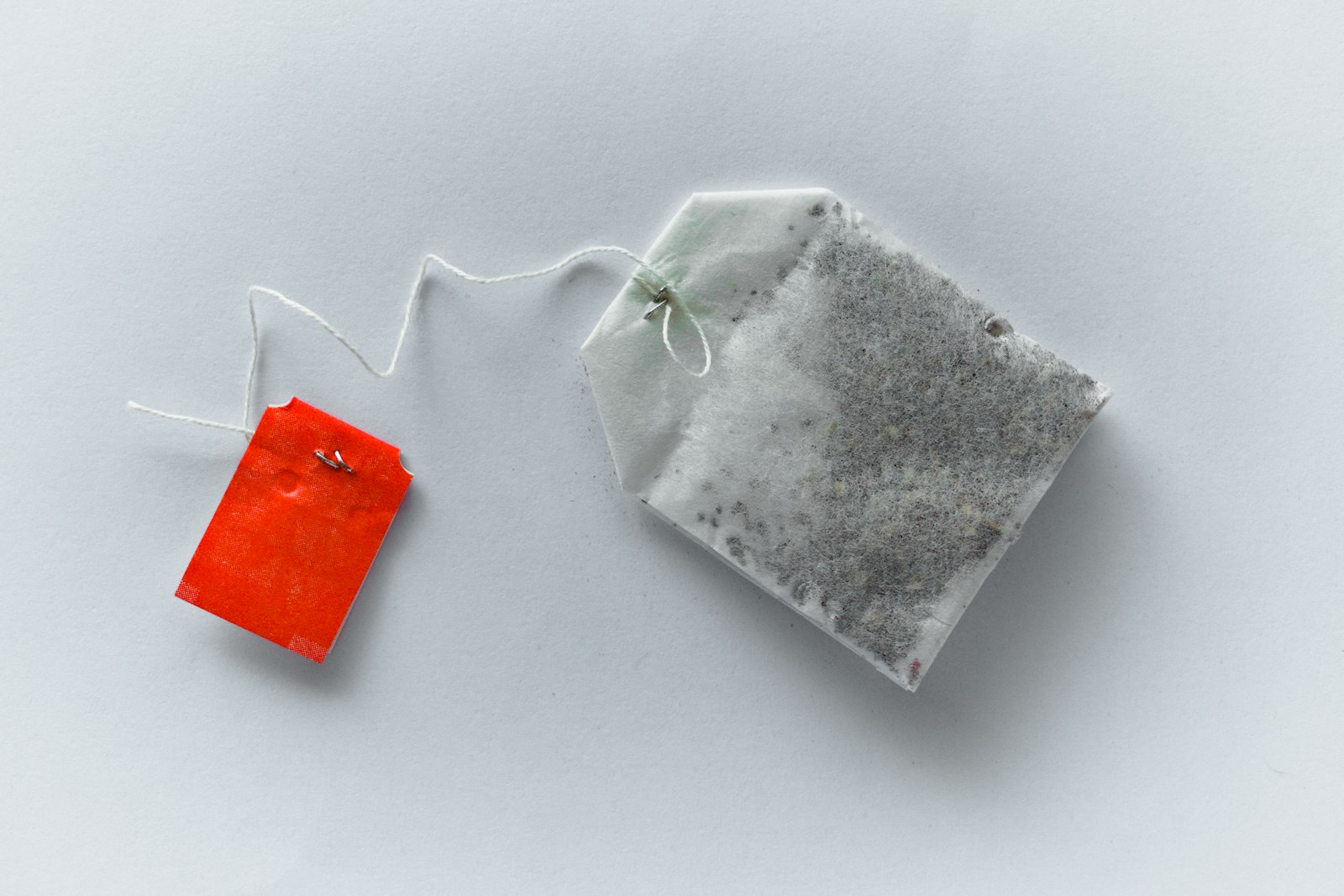
Pyramid tea bags are the right format when your customer wants to see the product steep — the three-dimensional bag gives whole butterfly pea flowers space to open and release their color, and the visual of a blue infusion developing in a clear mug is a strong brand moment for premium tea positioning. The bag material choice carries its own set of trade-offs.
- Nylon: structurally strong, widely used, allows good infusion flow. Cost-effective. The sustainability objection is real: nylon is not biodegradable and has been associated with microplastic concerns in hot-water use. If your end-customer is environmentally positioned, this format creates a contradiction in your brand story.
- PLA (polylactic acid): marketed as biodegradable and compostable. PLA is industrially compostable under controlled conditions — typically above 58°C for several weeks — which does not happen in a home compost bin in most climates. The claim is technically accurate but practically overstated in typical use conditions. Verify the exact composting certification with the manufacturer and match it against what is actually available to your customer when they dispose of the bag.
- Non-woven biodegradable fabric: various plant-fiber or wood-pulp non-woven materials are offered as genuinely home-compostable alternatives. Performance varies by supplier; ask for third-party compostability certification (e.g., TUV Austria OK compost HOME or equivalent).
Flat Filter Sachets
Flat sachets cost less per unit than pyramid bags and are the right format when the buyer’s priority is cost or production efficiency rather than visual presentation. They work better for broken petals and powder-blend products than for premium whole flowers, since the flat geometry limits expansion. For a butterfly pea plus lemongrass blend destined for foodservice or value retail, a flat sachet at a price point the channel can support is often the practical choice over a premium pyramid bag that adds cost without adding visible value at that customer’s use occasion.
Shelf Life: What the Numbers Mean and Where They Come From
Butterfly pea flower retail packaging frequently carries a shelf life statement of 18–24 months. That range comes from two sources: supplier-stated product specifications and the general dried-herb trade norm for properly dried and sealed botanical material. It is not derived from peer-reviewed shelf-life studies specifically designed for Clitoria ternatea [FLAG — no species-specific peer-reviewed shelf-life data found]. Treat it as the defensible industry baseline, not a proven guarantee.
The 24-months-from-production figure is common as a contract clause. If your purchase order does not specify a minimum remaining shelf life at the point of shipment, you may receive product with 18 months stated shelf life that has already consumed 6 of those months in the manufacturer’s warehouse. A standard buyer protection clause specifies minimum remaining shelf life at destination — 12 months remaining on arrival is a common requirement for herbal ingredients in US and European food trade. Build it into your contract, not as an afterthought.
What actually determines whether butterfly pea flower reaches its stated shelf life in a retail package? The same factors that govern quality at the bulk stage: how well the product was dried to begin with (moisture content at or below roughly 10% for premium grade, roughly 12% for standard grade, water activity at or below 0.6), the quality of the package seal, the opacity and oxygen-barrier properties of the packaging material, and storage conditions through the supply chain. A well-dried product in a well-sealed foil-laminate pouch stored in a cool, dark warehouse will reach 24 months in better condition than a borderline-moisture product in a cheap kraft pouch sitting in a retail stockroom with fluorescent lighting.
Label Compliance: The Basics and Where This Desk Stops
Label compliance for food-grade packaging dried butterfly pea tea is market-specific, and the questions get complicated quickly. This section covers the baseline literacy every buyer needs; the binding answers for your specific product and destination market belong with your regulatory counsel.
| Label Element | What It Requires | Notes |
|---|---|---|
| Common name | “Butterfly pea flower tea” or “blue pea flower tea”; botanical name (Clitoria ternatea) strongly advisable | Some markets require the botanical name on herbal products |
| Ingredient list | All ingredients in descending order by weight; for blends, each component | Butterfly pea is a legume (Fabaceae) — check allergen declaration requirements for your market |
| Country of origin | “Product of Indonesia” or “Product of Thailand” as applicable; verify requirements if ingredients sourced across countries | US customs requires country of origin on imported food |
| Net weight | In units required by destination market (grams, ounces, or both on US labels) | Dual-declaration often required for US retail |
| Best before / expiry | Date format varies by market; minimum remaining shelf life at point of sale often specified by retailer | Define in purchase contract: minimum months remaining on arrival |
| Responsible party | Name and address of the brand or importer responsible for the product in the destination market | US: importer of record; EU: food business operator placing product on market |
| Storage instructions | “Store in a cool, dry place away from direct sunlight.” Standard for dried botanicals | Aligns with packaging barrier requirements; reinforces shelf-life claim |
| Health claims | Governed by destination market health-claim regulation — US FDA structure/function rules, EU Regulation 1924/2006 | This is where you need your own counsel. Disease claims turn food into a drug. “Antioxidant” positioning varies by market. Get claims reviewed before finalizing artwork. |
EU buyers need to address something the table cannot resolve: Clitoria ternatea as a food ingredient is currently a novel food in the EU and is NOT authorized for use. EFSA raised safety objections (EFSA EN-7084); the European Commission terminated the authorization procedure (C(2026)776); RASFF enforcement has been active, with notifications including Austria 2025.0444 and Belgium 2024, and reported market withdrawals. Custom pouch butterfly pea tea intended for EU food retail is operating in legally high-risk territory under current rules. This is not a label design issue — it is a product authorization issue. Verify current status with qualified regulatory counsel before committing any production budget for EU food markets. Member-state supplement rules vary and are uncertain; treat them as a separate question requiring a separate answer.
For US buyers, the dried flower sold as herbal tea is generally treated as a conventional food under existing history of use. The FDA-approved color-additive pathway — covering butterfly pea flower water extract as a color additive exempt from certification under 21 CFR 73.69, with approved food categories expanded in subsequent rulemakings — applies specifically to the water extract, not to dried whole flowers. If your labeling or product formulation intends to rely on the color-additive approval, confirm with your regulatory counsel whether your specific form and intended use fall within the approved categories as they currently stand in the CFR [VERIFY; the precise current category list was not confirmed from source text].
Wondering how your packaging spec, label requirements and bulk MOQ fit together as a sourcing project? Our enquiry form is the right starting point, or message us on WhatsApp at +62 811 3982 4563. Describe your target format, volume, destination market and certification needs, and we will route the enquiry to our vetted manufacturing partner for a real response. You can also reach us at [email protected].
Packaging as a Signal in Supplier Vetting
One thing a buyer can learn from a sample shipment before committing to an FCL is whether a supplier takes packaging seriously. When you receive a sample, pay attention to these specifics before you even open the bag.
Is the inner bag heat-sealed or twist-tied? Is there evidence of vacuum compression or at minimum a tight seal? Is the outer carton appropriately labelled with lot number, production date and weight? Does the packaging show evidence of moisture migration — soft carton corners, clumping of the flower material inside, condensation marks on the inner bag? Is the product in an opaque container or in a clear bag that has been sitting in a distribution warehouse with ambient light on it?
None of these signals are definitive on their own. But a supplier who sends a sample in a loose, clear, poorly sealed bag is telling you something about how they approach the full production run. Packaging economics are real — airtight foil-laminate costs more than plain PE — and a supplier who cuts corners on sample packaging to save cents is likely applying the same logic to your commercial lot.
Cross-reference the packaging spec against the Certificate of Analysis. If the CoA shows 9.5% moisture at time of packing, but the product arrived with obvious moisture migration in the inner bag, something went wrong in transit — either the seal failed or the product was not stored correctly after packing. Both diagnoses matter for how you handle the supplier relationship going forward.
Frequently Asked Questions
What is the standard bulk butterfly pea flower packaging for export orders?
The common standard in the dried-herb export trade — applied indicatively to butterfly pea — is food-grade PE or PP inner bags of 1–5 kg, often vacuum-sealed, packed inside outer cartons of roughly 10–20 kg net weight. These are indicative industry norms, not a formal species-specific standard. Confirm the exact packaging specification with any supplier in writing before placing an order, including the film material, sealing method, and carton marking requirements.
Does the packaging choice actually affect butterfly pea color and shelf life?
Yes, directly. The anthocyanin pigments (ternatins) responsible for the blue color degrade under light, oxygen and moisture. Opaque packaging cuts light exposure; airtight heat-sealed or vacuum-sealed bags limit oxygen contact; moisture-barrier laminates prevent humidity ingress. Product packaged in clear, loosely sealed bags or plain PE without an oxygen barrier will lose color intensity measurably faster than product in foil-laminated, vacuum-sealed inner packaging, even if the starting quality of the dried flower was identical. The stated shelf life of roughly 18–24 months is contingent on adequate packaging and storage conditions throughout the supply chain.
What retail packaging formats are available for custom pouch butterfly pea tea?
The main formats contract manufacturers in Southeast Asia offer for branded butterfly pea tea retail packaging are: stand-up resealable kraft pouches (the most common for loose-leaf tea), decorative tins, glass jars, pyramid tea bags (nylon, PLA or biodegradable non-woven fabric), and flat filter sachets. Each format has different MOQ, cost per unit, and suitability by end-market. Full-service OEM butterfly pea tea bag production — including sourcing, filling, sealing and custom label application — is a standard offer from Indonesian and Thai contract manufacturers [VERIFY specific capability with any individual supplier before committing]. See the private-label and OEM page for MOQ ranges and the documents to request.
What shelf life should I specify in my purchase contract?
The common stated shelf life is 18–24 months from production date; 24 months from production is a frequent contract term [supplier-stated and general herb-trade norm, not peer-reviewed — FLAG]. More important than the stated shelf life is specifying a minimum remaining shelf life at the point of delivery to your warehouse. Twelve months remaining on arrival is a defensible requirement for most food-ingredient buyers. Without that clause, a supplier can legally ship product that technically meets a 24-month shelf life statement but has already used a significant portion of it sitting in their facility.
Is food-grade packaging sufficient for US or EU import compliance?
Food-grade packaging is a necessary condition, not a sufficient one. For US import, the product also needs to meet FDA labeling requirements, FSMA/FSVP importer verification, and Prior Notice filing. For EU import, the fundamental issue is not the packaging specification but the novel-food non-authorization for Clitoria ternatea in food — no packaging configuration makes a currently unauthorized food ingredient authorized. Route market-specific compliance questions to your own counsel; this desk provides trade information, not regulatory advice.